
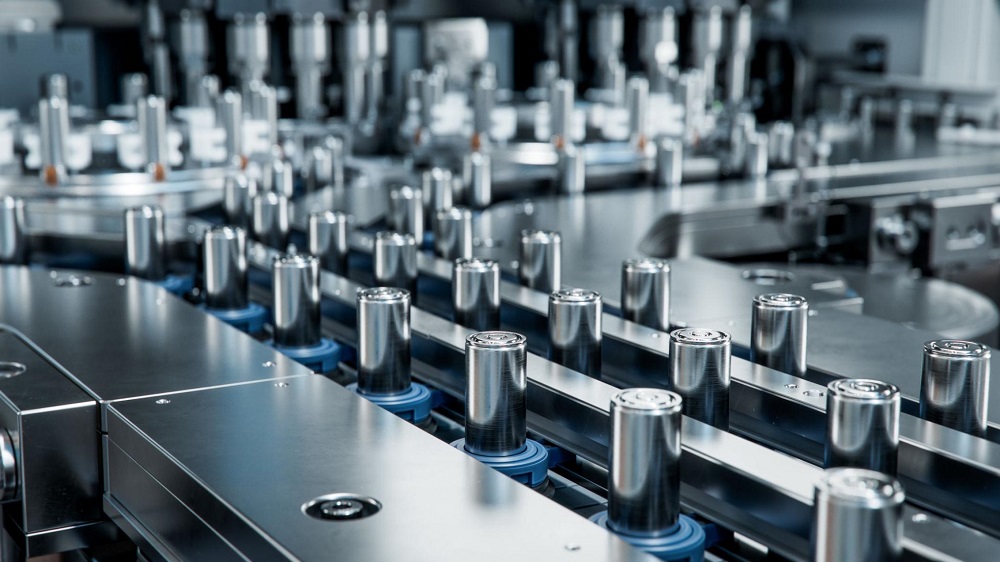
Electric vehicles are widely recognized as an important component of global strategies to reduce transportation emissions and improve urban air quality. While EV adoption supports long term climate goals by reducing tailpipe emissions, the environmental footprint of electric vehicle manufacturing is more complex than many consumers initially expect. Producing batteries, sourcing raw materials, and building advanced vehicle components require energy intensive processes that carry environmental implications across multiple stages of production.
Understanding the hidden environmental costs associated with EV manufacturing helps provide a more balanced perspective on the transition toward electrified transportation. Recognizing these challenges also highlights opportunities for improving sustainability through innovation, recycling, and responsible supply chain management practices.
A comprehensive view of EV production impacts supports more informed decisions across policy development, industry investment, and consumer awareness.
Understanding the Environmental Lifecycle of Electric Vehicle Production
Electric vehicle manufacturing involves multiple stages that contribute to overall environmental impact. These stages extend beyond assembly plants and include mining, processing, transportation, and battery production activities.
Major lifecycle stages include:
- raw material extraction
- battery component processing
- vehicle manufacturing operations
- supply chain transportation logistics
- end of life recycling management
Each stage contributes differently to the total environmental footprint.
Lifecycle awareness supports more accurate sustainability evaluation.
Role of Lithium Extraction in Battery Production Impacts
Lithium plays a central role in modern electric vehicle batteries. Extracting lithium from underground brine deposits or hard rock sources requires large volumes of water and energy.
Environmental considerations related to lithium extraction include:
- water usage in arid regions
- land disturbance during mining operations
- chemical processing requirements
- ecosystem disruption near extraction sites
- transportation energy consumption across supply chains
Responsible extraction practices help reduce environmental strain.
Improved mining methods support long term sustainability goals.
Environmental Challenges Linked to Cobalt and Nickel Mining
Cobalt and nickel are commonly used in battery cathode materials that improve energy density and performance. Mining these metals can create environmental and social challenges if not managed responsibly.
Mining related environmental concerns include:
- habitat disruption near extraction sites
- energy intensive ore processing requirements
- waste material management challenges
- groundwater contamination risks
- air pollution from industrial processing operations
Sustainable sourcing initiatives aim to reduce these impacts across battery supply chains.
Responsible mineral sourcing supports ethical manufacturing strategies.
Energy Consumption During Battery Manufacturing Processes
Battery manufacturing requires precision processing that consumes significant amounts of electricity. The environmental footprint of this stage depends heavily on the energy sources used by production facilities.
Energy related impacts include:
- electricity demand during electrode fabrication
- thermal management requirements in manufacturing environments
- controlled atmosphere processing systems
- material purification operations
- large scale assembly line automation systems
Transitioning manufacturing plants toward renewable energy reduces production emissions.
Energy efficiency improvements strengthen sustainability performance.
Carbon Footprint of Electric Vehicle Assembly Operations
Vehicle assembly plants contribute additional emissions through equipment operation, material handling, and logistics coordination activities. Although assembly emissions are typically lower than battery production emissions, they remain part of the overall environmental footprint.
Assembly related impacts include:
- industrial facility electricity consumption
- robotic manufacturing system energy requirements
- paint shop environmental controls
- transportation of components between suppliers
- packaging material usage across production lines
Efficient facility design helps reduce environmental impact.
Optimized logistics improve manufacturing sustainability.
Supply Chain Transportation Emissions Across Global Production Networks
Electric vehicle components often travel across multiple countries before final assembly. Transporting materials between mining sites, processing facilities, and manufacturing plants increases emissions associated with production.
Transportation related environmental factors include:
- long distance shipping routes for raw materials
- air cargo transport for specialized components
- truck based delivery between regional suppliers
- maritime transport emissions across continents
- infrastructure energy use supporting logistics operations
Supply chain optimization helps reduce transportation related emissions.
Regional production strategies improve sustainability outcomes.
Water Usage in Battery Production Facilities
Water plays an important role in cooling systems and chemical processing stages during battery manufacturing. Managing water consumption responsibly is essential in regions facing resource constraints.
Water usage considerations include:
- cooling system operation requirements
- electrode processing procedures
- facility cleaning and maintenance needs
- chemical treatment processes
- wastewater management infrastructure requirements
Efficient water recycling systems improve environmental performance.
Responsible resource management supports sustainable manufacturing.
Land Use Changes Associated With Mining Infrastructure Development
Mining operations supporting EV battery production require land access for extraction activities, processing facilities, and transportation infrastructure. These developments can affect surrounding ecosystems.
Land use impacts may include:
- vegetation removal during site preparation
- habitat fragmentation near mining zones
- soil stability challenges during excavation
- infrastructure expansion across sensitive regions
- long term restoration requirements following extraction
Careful planning reduces ecological disruption.
Restoration programs support environmental recovery efforts.
Role of Rare Earth Element Processing in Electric Motor Manufacturing
Electric motors often rely on rare earth elements that improve efficiency and performance. Processing these materials requires specialized industrial techniques that carry environmental implications.
Rare earth processing considerations include:
- chemical separation process energy requirements
- waste material management complexity
- localized air emission risks
- water treatment infrastructure needs
- transportation of refined materials across supply chains
Innovation in alternative motor designs may reduce reliance on certain rare earth materials.
Material efficiency supports sustainable manufacturing strategies.
Importance of Battery Recycling in Reducing Long Term Environmental Impact
Battery recycling represents one of the most important opportunities for reducing environmental costs associated with EV manufacturing. Recovering valuable materials supports circular economy approaches across supply chains.
Recycling benefits include:
- reduced demand for new mining operations
- recovery of lithium nickel and cobalt materials
- improved resource efficiency across industries
- reduced landfill disposal requirements
- support for sustainable manufacturing cycles
Expanded recycling infrastructure strengthens long term sustainability.
Circular material strategies reduce environmental pressure.
Supporting Renewable Energy Integration in EV Manufacturing Facilities
Manufacturing emissions can be reduced significantly when production facilities transition toward renewable energy sources. Clean electricity improves lifecycle sustainability outcomes.
Renewable integration benefits include:
- reduced production related carbon emissions
- improved facility energy independence
- stronger alignment with climate policy goals
- enhanced sustainability reporting performance
- improved long term operational efficiency
Renewable energy adoption strengthens environmental responsibility across production systems.
Energy transition supports cleaner industrial operations.
Role of Supply Chain Transparency in Improving Environmental Accountability
Transparency across EV supply chains helps manufacturers identify environmental risks and improve sustainability performance. Monitoring systems support responsible sourcing decisions.
Transparency initiatives include:
- supplier sustainability reporting frameworks
- traceability tracking for battery materials
- environmental impact auditing procedures
- responsible sourcing certification programs
- collaboration between manufacturers and regulators
Transparency strengthens accountability across production networks.
Responsible oversight supports long term sustainability improvements.
Future Innovations Reducing Environmental Costs of EV Manufacturing
Technological progress continues improving manufacturing efficiency and reducing environmental impact across EV production systems. Innovation supports more sustainable lifecycle performance over time.
Emerging improvements may include:
- alternative battery chemistries requiring fewer scarce materials
- improved recycling recovery efficiency technologies
- expanded renewable energy use in manufacturing facilities
- localized supply chain development strategies
- enhanced material efficiency across production processes
These developments support continued progress toward cleaner transportation systems.
Electric vehicle manufacturing remains an evolving process with growing opportunities for sustainability improvement across global supply chains.
FAQ Section
Are electric vehicles still environmentally beneficial despite manufacturing impacts
Yes. Electric vehicles typically produce fewer lifecycle emissions than conventional vehicles, especially when powered by cleaner electricity sources.
Why does battery production require significant energy
Battery manufacturing involves precision chemical processing and controlled environments that require substantial electricity.
What materials contribute most to EV manufacturing environmental impact
Lithium nickel cobalt and rare earth elements are among the most resource intensive materials used in battery and motor production.
Can recycling reduce the need for new battery material mining
Yes. Recycling recovers valuable materials that can be reused in future battery production.
How does transportation of battery materials affect environmental impact
Shipping materials across long distances increases emissions associated with supply chain logistics.
Are manufacturers working to improve sustainability in EV production
Many manufacturers are investing in renewable energy integration recycling programs and responsible sourcing initiatives.
Will future battery technologies reduce environmental manufacturing costs
Emerging battery chemistries and improved recycling infrastructure are expected to reduce resource demand over time.
