
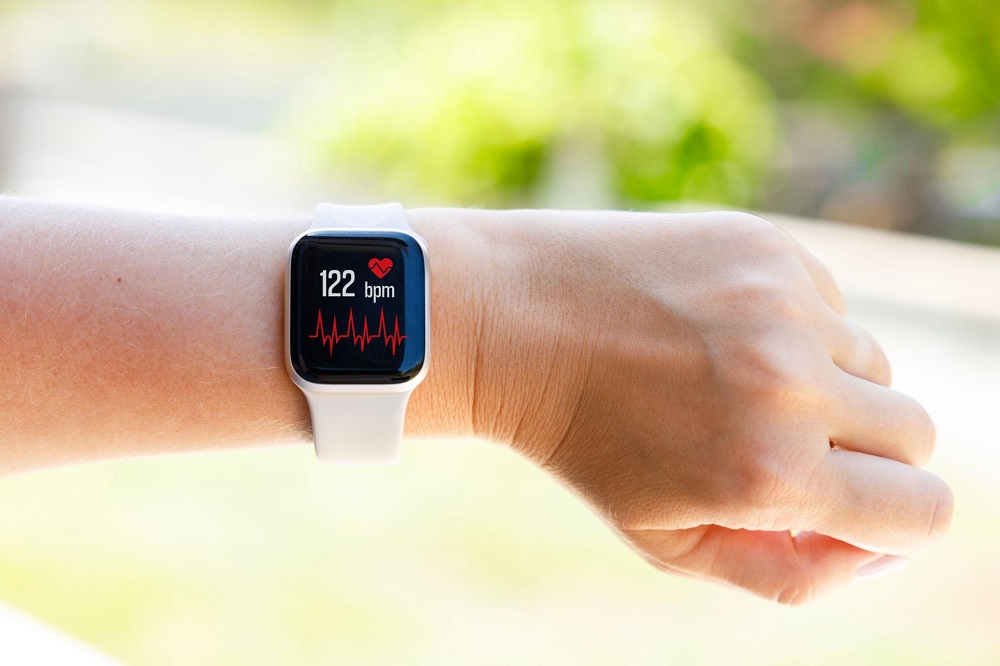
Wearable technology has become an important part of modern healthcare and personal wellness management. Devices such as smartwatches, fitness trackers, biosensor patches, and connected health bands allow individuals to monitor physiological indicators continuously throughout the day. These tools provide valuable insight into heart activity, sleep patterns, movement behavior, and other health signals that were previously available only during clinical visits.
Continuous monitoring helps individuals and healthcare professionals identify early signs of imbalance, track progress over time, and make informed decisions that support preventive care strategies. As wearable technology continues evolving, it is reshaping how people interact with their health information and participate actively in long term wellness planning.
Understanding how wearable technology supports continuous health monitoring helps explain its growing role across healthcare systems worldwide.
Understanding Continuous Health Monitoring Through Wearable Devices
Continuous health monitoring refers to tracking physiological signals over extended periods rather than relying solely on occasional clinical measurements. Wearable devices support this approach by collecting data in real time during everyday activities.
Continuous monitoring provides insight into:
- daily heart rate variation patterns
- physical activity consistency levels
- sleep quality indicators
- respiratory rhythm signals
- recovery responses after exertion
Real time monitoring improves awareness of health trends.
Frequent measurement supports early identification of potential concerns.
Role of Heart Rate Monitoring in Daily Health Awareness
Heart rate tracking represents one of the most widely used features in wearable health devices. Monitoring heart activity helps individuals understand how their bodies respond to exercise, stress, and rest periods.
Heart rate monitoring supports evaluation of:
- exercise intensity levels
- resting heart rate stability
- recovery speed after activity
- cardiovascular fitness improvement patterns
- stress response signals during daily routines
Consistent monitoring improves understanding of cardiovascular behavior.
Awareness supports healthier lifestyle planning decisions.
Supporting Sleep Quality Assessment Through Wearable Sensors
Sleep plays a central role in physical recovery, memory consolidation, and emotional regulation. Wearable devices help individuals track sleep duration and patterns over time.
Sleep monitoring features often include:
- sleep stage estimation indicators
- nighttime movement tracking
- breathing rhythm observation signals
- bedtime consistency pattern analysis
- recovery readiness estimation tools
Sleep awareness supports improved daily performance.
Better rest strengthens long term health outcomes.
Role of Activity Tracking in Supporting Physical Fitness Goals
Physical activity tracking helps individuals understand movement patterns and maintain consistent exercise routines. Wearable devices provide reminders and progress indicators that support goal achievement.
Activity tracking capabilities include:
- step count monitoring systems
- calorie expenditure estimation tools
- exercise duration tracking features
- movement reminder notifications
- intensity level classification indicators
Movement awareness strengthens motivation for active lifestyles.
Consistent activity supports preventive health strategies.
Supporting Stress Monitoring Through Physiological Signal Analysis
Wearable technology increasingly includes features that estimate stress levels using heart rate variability and other physiological indicators. These signals help users recognize how daily routines influence mental and physical balance.
Stress monitoring features support:
- identification of high stress periods
- breathing exercise guidance prompts
- recovery readiness estimation tools
- relaxation reminder notifications
- daily stress pattern awareness tracking
Stress awareness supports emotional wellbeing planning.
Monitoring helps improve recovery habits.
Role of Blood Oxygen Monitoring in Respiratory Health Awareness
Some wearable devices provide blood oxygen level estimation features that support awareness of respiratory efficiency. These measurements may help individuals track recovery during sleep or physical exertion.
Blood oxygen monitoring supports:
- altitude adaptation awareness
- sleep related breathing observation patterns
- recovery tracking after exercise
- respiratory efficiency estimation
- early awareness of abnormal variation signals
Respiratory monitoring strengthens preventive awareness strategies.
Continuous observation supports early detection planning.
Supporting Cardiac Rhythm Monitoring Through Wearable ECG Features
Advanced wearable devices now include electrocardiogram capability that supports detection of irregular heart rhythm signals. These features expand the role of wearables within preventive cardiovascular care.
Wearable ECG monitoring supports:
- detection of irregular rhythm episodes
- documentation of heart activity trends
- sharing data with healthcare providers
- supporting early evaluation of symptoms
- improving long term cardiac monitoring continuity
Cardiac rhythm tracking strengthens preventive care coordination.
Early detection supports timely clinical evaluation.
Role of Remote Patient Monitoring Programs in Healthcare Systems
Healthcare providers increasingly integrate wearable devices into remote patient monitoring programs that support continuous observation outside hospital settings.
Remote monitoring benefits include:
- reduced need for frequent in person visits
- improved chronic condition management support
- early detection of symptom progression patterns
- enhanced communication between patients and providers
- improved treatment adherence tracking
Remote monitoring strengthens healthcare accessibility.
Continuous observation supports personalized care planning.
Supporting Chronic Disease Management Through Wearable Monitoring Tools
Wearable technology plays an important role in managing long term health conditions such as cardiovascular disease, diabetes related lifestyle monitoring, and respiratory concerns.
Chronic condition support includes:
- tracking activity levels during treatment programs
- monitoring recovery after medical procedures
- supporting medication adherence reminders
- improving lifestyle adjustment planning
- identifying early warning signals of symptom changes
Monitoring continuity strengthens long term condition management.
Data supported insight improves treatment coordination.
Role of Data Integration Platforms in Supporting Health Monitoring Accuracy
Wearable devices often connect with mobile applications and cloud based platforms that store health data securely. These systems support long term trend analysis across multiple indicators.
Data integration benefits include:
- centralized health record tracking
- long term progress visualization dashboards
- automated alert generation systems
- provider communication coordination tools
- personalized recommendation delivery platforms
Integrated systems improve monitoring consistency.
Centralized insight strengthens preventive planning accuracy.
Supporting Preventive Care Strategies Through Continuous Monitoring
Preventive care focuses on identifying health risks before symptoms become severe. Wearable technology supports this approach by providing frequent physiological measurement updates.
Preventive monitoring benefits include:
- identifying unusual heart activity patterns early
- recognizing reduced sleep quality trends
- monitoring changes in activity behavior
- tracking recovery after illness episodes
- supporting lifestyle adjustment decisions
Early awareness strengthens health stability outcomes.
Preventive insight supports long term wellbeing strategies.
Role of Artificial Intelligence in Enhancing Wearable Health Monitoring
Artificial intelligence improves wearable device functionality by analyzing large volumes of physiological data and identifying patterns that may not be visible through simple observation.
AI supported monitoring includes:
- personalized activity recommendation systems
- early risk detection pattern recognition tools
- adaptive health coaching guidance platforms
- predictive recovery readiness estimation models
- automated anomaly detection alerts
Intelligent analytics strengthen monitoring effectiveness.
Advanced processing improves health insight accuracy.
Supporting Workplace Wellness Programs Through Wearable Technology
Organizations increasingly include wearable monitoring tools within workplace wellness initiatives that support employee health engagement.
Workplace wellness benefits include:
- encouraging regular movement during work hours
- supporting stress awareness programs
- improving sleep habit education initiatives
- strengthening preventive health participation
- supporting occupational health planning strategies
Employee engagement strengthens workplace productivity stability.
Wellness programs support healthier organizational environments.
Future Trends Shaping Continuous Health Monitoring Through Wearable Technology
Wearable health technology continues evolving rapidly as sensor accuracy improves and integration with clinical systems expands. These developments are expected to strengthen the role of wearables in preventive healthcare planning.
Future developments may include:
- improved biosensor precision across devices
- expanded integration with electronic health record systems
- enhanced predictive analytics supporting early intervention strategies
- stronger collaboration between wearable manufacturers and healthcare providers
- increased accessibility across broader population groups
These advancements will continue shaping how individuals monitor health and participate in preventive care programs.
Wearable technology remains an important component of modern healthcare transformation strategies.
FAQ Section
What is continuous health monitoring using wearable technology
Continuous health monitoring involves tracking physiological signals throughout daily activities using connected wearable devices.
Can wearable devices replace regular medical checkups
Wearable devices support monitoring but do not replace professional medical evaluation or clinical diagnosis.
How accurate are wearable health monitoring devices
Accuracy varies by device type and measurement method, but many provide reliable trend information for everyday monitoring.
What health indicators can wearable devices track
Many devices monitor heart rate sleep activity stress patterns and blood oxygen levels depending on model features.
Are wearable health devices useful for preventive care
Yes. Continuous monitoring helps identify early warning signs and supports healthier lifestyle planning decisions.
Can healthcare providers use wearable device data
Some healthcare providers integrate wearable data into remote monitoring programs that support treatment planning.
Do wearable devices help manage chronic health conditions
Wearable monitoring supports tracking activity recovery and symptom changes that help improve long term condition management.
